The Essential Role of Auto Repair Services in Ensuring Your Car Remains Safe
Car repair services are critical for preserving vehicle safety. Regular maintenance and timely repairs can avoid minor issues from turning into serious hazards. Many drivers overlook the significance of these services, unaware of the potential risks involved. Understanding how scheduled inspections and servicing contribute to overall safety is essential. This knowledge can result in better vehicle reliability and performance. What are the specific actions drivers can take to guarantee their vehicles remain safe on the road?
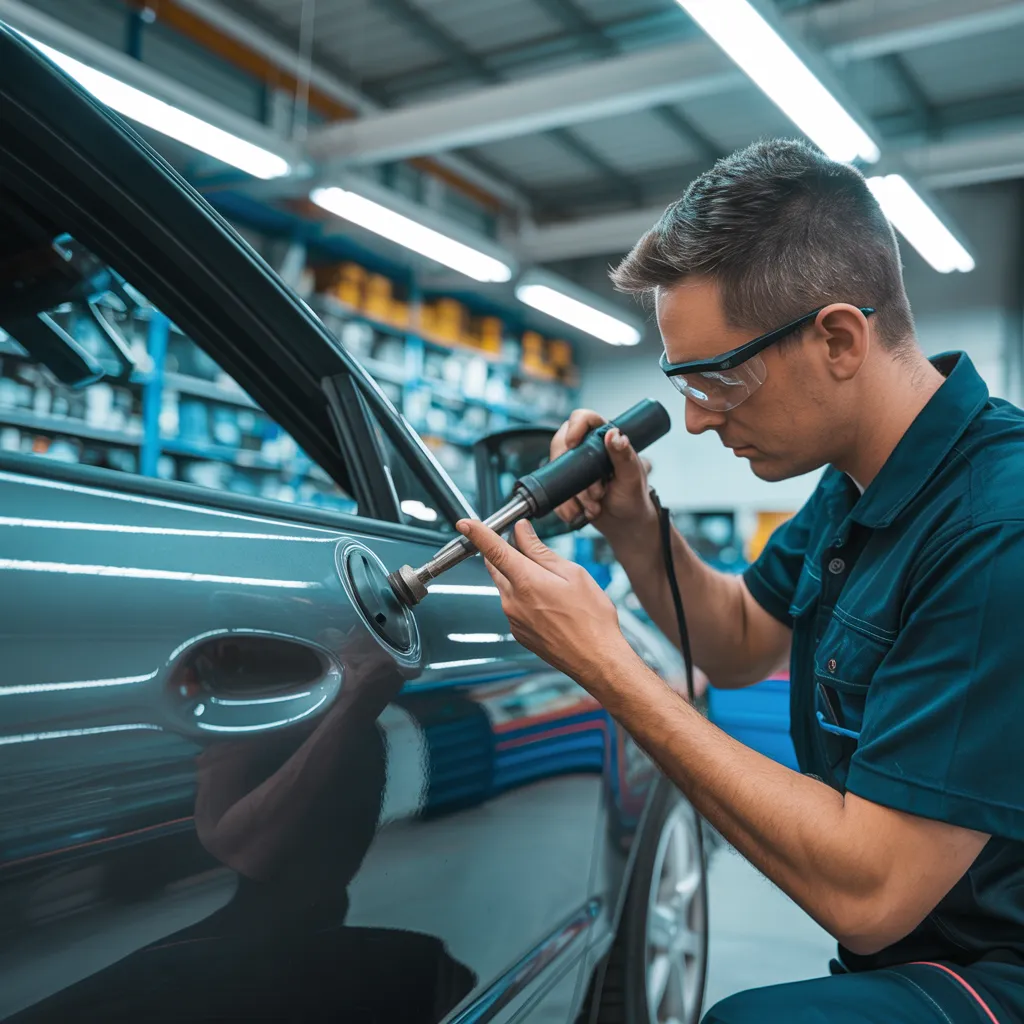
Significance of Consistent Vehicle Maintenance
Regular vehicle maintenance is vital for maintaining optimal performance and longevity. It encompasses scheduled checks and services, such as oil changes, tire rotations, and brake inspections, which enhance the vehicle's overall health. By following a maintenance schedule, vehicle owners can stop minor issues from becoming significant problems, thereby avoiding costly repairs in the future. Regular maintenance not only improves fuel efficiency but also improves safety on the road by ensuring that critical systems function correctly.
In addition, preserving complete maintenance records can enhance resale value, as prospective buyers often seek well-maintained vehicles. Ignoring maintenance can lead to reduced reliability and unexpected breakdowns, which can be both disruptive and dangerous. To recap, regular vehicle maintenance is a proactive approach that helps drivers keep their vehicles in peak condition, ensuring a safer and more optimal driving experience over time.
Standard Car Maintenance That Prevents Collisions
A variety of common auto repairs play a vital role in preventing accidents on the road. Ongoing maintenance of brake systems is essential, as worn-out brake pads or fluid leaks can lead to brake failure. Tire health is another important factor; guaranteeing proper tread depth and inflation can substantially reduce the risk of blowouts or loss of traction. Additionally, malfunctioning lights, such as headlights and brake lights, can reduce visibility and communication with other drivers, raising the likelihood of collisions. Steering and suspension components need to be inspected, as malfunctions in these areas can affect vehicle control. Last but not least, addressing any engine issues, including overheating or emissions failures, can avert sudden breakdowns that might occur while driving. By focusing on these common repairs, vehicle owners can significantly enhance their safety on the road and contribute to a safer driving environment for everyone.
Elevating Vehicle Safety Through Auto Repair Services
Enhancing vehicle safety is crucial for every driver, and auto repair services play an important role in this aspect. Preventive maintenance can significantly reduce the risk of malfunctions, while timely repairs address issues before they escalate into serious problems. Together, these practices guarantee that vehicles operate safely and efficiently on the road.
The Benefits of Preventive Maintenance
Preventive maintenance serves a vital function in guaranteeing vehicle safety and longevity. Scheduled inspections and maintenance help discover potential issues before they escalate into major problems. Standard maintenance activities, such as oil changes, tire rotations, and brake checks, contribute to peak vehicle performance and reliability. By following a preventive maintenance schedule, drivers can boost vehicle safety, ensuring systems function correctly under various road conditions. Additionally, this proactive approach may lead to increased fuel efficiency, decreasing overall operating costs. Ultimately, preventive maintenance not only safeguards the driver and passengers but also extends the vehicle's lifespan, making it a critical aspect of responsible vehicle ownership. Regular attention to maintenance can prevent unexpected breakdowns and boost confidence while on the road.
Importance of Timely Repairs
Prompt repairs are vital for upholding vehicle safety and performance. When problems such as brake defects, tire wear, or fluid leaks are handled swiftly, the risk of accidents diminishes considerably. Overlooking minor repairs can result in more severe problems, leading to costly fixes and potential safety hazards. Furthermore, regular inspections and quick interventions help ensure that all vehicle systems function at their optimum. This not only improves safety but also extends the vehicle's lifespan and boosts fuel efficiency. Drivers who focus on quick repairs experience a smoother driving experience and reduced likelihood of breakdowns. In the end, making repairs promptly is a key component of responsible vehicle ownership, directly contributing to the safety of both the driver and other road users.
The Role of Diagnostic Services in Vehicle Safety
Ensuring vehicle safety depends significantly on diagnostic services by enabling the timely identification of possible problems. Utilizing advanced diagnostic tools allows technicians to identify hidden issues that might not be readily visible. This forward-thinking method not only strengthens vehicle performance but also substantially decreases the risk of accidents.
Significance of Prompt Detection
Prompt detection of vehicle problems can substantially increase safety on the road. Detecting problems early enables timely intervention, avoiding minor concerns from escalating into major failures. Regular diagnostic services fulfill a vital purpose in this process, as they can expose hidden issues that drivers may fail to notice. By employing routine checks, vehicle owners can tackle potential hazards such as brake failures or engine problems before they jeopardize safety. Moreover, early detection reduces repair costs and lengthens the vehicle's lifespan, ultimately promoting a safer driving experience. Engaging in diagnostic services guarantees that vehicles remain reliable and roadworthy, highlighting the importance of proactive maintenance in ensuring the safety of both drivers and passengers.
Cutting-Edge Analysis Equipment
Modern diagnostic equipment has transformed automotive care, helpful tips improving the capability to detect problems that might not be readily apparent. These state-of-the-art devices employ cutting-edge technology to examine motor functionality, electrical networks, and other essential parts. By interfacing with a car's built-in computer, specialists can obtain fault codes and system data, permitting thorough analysis of prospective concerns. This precision not only facilitates timely repairs but also plays a crucial role in ensuring overall safety. Regular diagnostic checks can catch minor issues before they escalate into major failures, thereby minimizing the risk of accidents. As automobiles grow more intricate, the significance of sophisticated diagnostic equipment in preserving safety and dependability cannot be overemphasized. Their role is indispensable in the proactive management of vehicle health.
Picking the Right Auto Repair Shop
How does one make certain they pick the right auto repair shop? The process begins with thorough research. Potential customers should seek recommendations from friends, family, and online reviews to identify reputable shops. Furthermore, confirming credentials and memberships with automotive associations can offer confidence in a shop's expertise.
Following this, a personal visit to the shop is necessary. Evaluating the tidiness and structure of the facility helps demonstrate the level of professionalism. Engaging with the staff helps visitors determine their expertise and readiness to respond to inquiries.
Moreover, getting estimates from multiple shops can assist in comprehending fair pricing. A transparent shop will deliver in-depth explanations of services and costs. In conclusion, seeking warranties on repairs can show confidence in the workmanship. By implementing these steps, individuals can make educated decisions, making certain their vehicle receives the care it requires for optimal safety and performance.
Signs Your Vehicle Needs Immediate Attention?
What are the obvious signs that your vehicle demands immediate care? Various signals can inform a driver about potential concerns. First, abnormal sounds such as clunking or grinding may point to mechanical troubles. Additionally, dashboard warning lights, particularly for brakes or the engine, must never be overlooked. Moreover, a noticeable decrease in performance, such as difficulty accelerating or steering, can indicate underlying issues that need urgent care.
Leaking fluids such as oil, coolant, or transmission fluid may signal significant problems requiring swift inspection. In addition, if the vehicle shakes too much or the brakes feel soft, quick response is necessary to secure safety. Lastly, if the vehicle generates smoke or peculiar smells, it is essential to get professional assistance without delay. Ignoring these signs can lead to more extensive damage and safety hazards on the road.
Extended Benefits of Committing to Auto Repairs
Investing in auto repairs delivers substantial long-term benefits that improve vehicle longevity and performance. Routine maintenance and quick repairs can keep minor issues from turning into major problems, ultimately saving owners from costly replacements. A well-maintained vehicle runs more efficiently, leading to enhanced fuel economy and reduced emissions, which benefits both the wallet and the environment.
What's more, ongoing attention to repairs enhances safety on the road, decreasing the risk of accidents resulting from mechanical failures. This commitment to upkeep also sustains the vehicle's resale value, as future buyers are often attracted to cars with documented maintenance histories. Furthermore, investing in quality repairs cultivates a sense of reliability and peace of mind for the owner. All in all, prioritizing auto repair services not only enhances the vehicle's performance but also provides a safer, more economical driving experience in the long run.
Frequently Asked Questions
How Often Should I Get My Vehicle Inspected?
Experts recommend getting a vehicle inspected no less than once per year, though certain intervals may differ based on local regulations and vehicle age. Regular inspections help ensure optimal performance and enhance safety for those operating and riding in the vehicle.
What Steps Should I Take Following an Accident?
After an accident, the individual should guarantee safety, check for injuries, reach out to emergency services if necessary, exchange details with all involved parties, document the incident, and inform their insurance copyright promptly for ongoing support.
Are DIY Car Repairs Safe?
DIY repairs can be safe if the individual possesses adequate knowledge and skills. Nevertheless, incorrect repairs could result in additional problems, jeopardizing vehicle safety and functionality; consequently, professional support is commonly suggested for important matters.
How Do I Identify a Reliable Mechanic?
A reliable mechanic typically shows open communication, excellent customer reviews, and openness in pricing. Professional credentials, warranties on repairs, and a willingness to outline services also indicate reliability, making certain clients feel comfortable in their decisions.
What Types of Warranties Are Available for Auto Repairs?
Different warranties for auto repairs exist, including limited warranties that cover certain parts and labor for a fixed timeframe, as well as lifetime warranties which may be valid for specific components. Customers should always ask about warranty details.